

Claes de Vrieselaan Building Monitoring – Gemeente Rotterdam Case Study
Rotterdam, The Netherlands
Project duration: May 2023 – November 2024
On October 3, 1941, during World War II, a bomb was accidentally dropped by the Royal Air Force on a residential area in Rotterdam, which was originally targeted at the German-occupied harbor area. The bomb remained buried 8 meters underground beneath these buildings. After 83 years, it had to be defused to eliminate potential future explosion risks.
Basetime’s solutions supported the project with continuous monitoring ensuring structural safety and provided accurate deformation data throughout the operation.
Locator one units
measurements per day
Minutes logging time
Safety First: Monitoring Buildings During Bomb Excavation
To ensure the safety of the operation, three buildings were demolished to properly access the bomb. Before excavation, a sheet pile wall was installed to prevent deformation of surrounding structures.
Since the adjacent buildings needed monitoring before, during, and after the demolition, sheet pile installation, and bomb excavation, the Municipality of Rotterdam equipped the neighboring buildings with four Locator One devices. Monitoring continued for a total of 18 months.
Improved safety: reduced risks for buildings and staff, lowering CAR insurance premiums and liability.
Reliable monitoring: twice-daily measurements ensured accurate detection of movements.
Data-driven oversight: total displacement of 20 mm tracked, enabling fully informed project management.
The buildings, constructed in 1908 on wooden piles, were structurally connected to the demolished ones, increasing the risk of deformation. Continuous monitoring was therefore essential. In addition to GNSS measurements, vibration meters were installed, and a structural inspection was carried out beforehand.

“Basetime’s system was the ideal solution for us to implement continuous building monitoring, as we could not establish a connection with the back of the buildings for homogeneous monitoring of both buildings using conventional methods (total station and/or leveling). By combining this technique with vibration sensors, we had the perfect tool to keep an eye on the buildings.”

Maintain Control Over Deformation with Locator One
To monitor the buildings, four Locator One devices were installed on the front and rear facades of the adjacent structures. A reference station was set up about 1 kilometer away, outside the direct influence of the project.
The primary objective was to take highly accurate measurements at the start and end of each day. With a measurement precision of 2–3 mm (1 sigma) in the horizontal plane and 4–5 mm (1 sigma) in the vertical plane, the Locator One proved highly suitable for monitoring the buildings throughout the project.
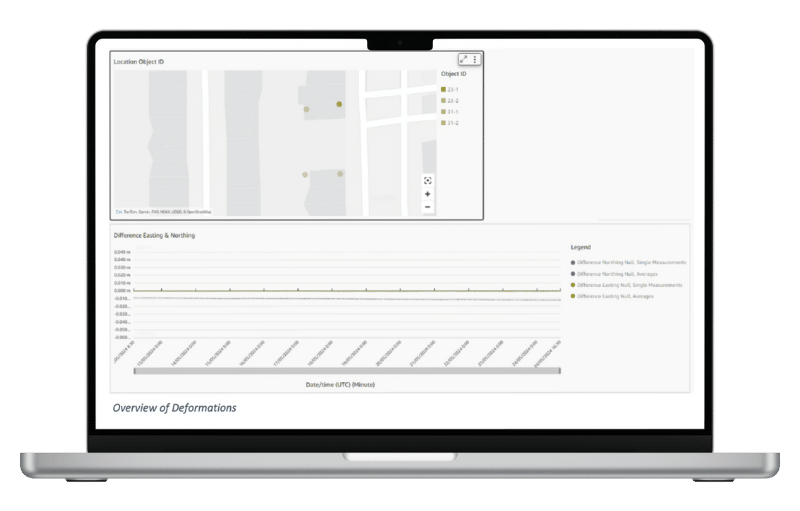
We can perform up to 24 measurements per day (one every hour), increasing insight into deformation trends. By remotely configuring the Locator One devices for 24 measurements per day, we gain significant understanding of the “movements” caused by external factors, such as temperature. By selecting ‘dynamic averages’ in our Parvamoti platform, multiple measurements (e.g., daily averages) can be combined to reduce noise caused by external factors and provide better insight into the deformation trend.
In projects where 24 measurements per day were taken, trend analyses and disruptions were successfully detected with the Locator One, even for changes as small as 1 millimeter. The information from similar monitoring can also be used for Construction All Risk (CAR) insurance during the execution of works.
Data as the Foundation for Predictions
Data and automation are crucial pillars for making reliable predictions about asset behavior. Information on the deformation of critical assets, particularly over extended periods, provides insight into their natural behavior. Deviations from this behavior serve as indicators of trend disruptions, signaling when further investigation may be required. The Locator One ensures high accuracy, with at least 95% of planned measurements delivering reliable and precise data.
Other Applications
Beyond building monitoring, the system can be applied to other public civil assets such as bridges, dams, tunnel entrances, and various infrastructure elements. The sector must embrace digitalization and automation to address large-scale infrastructure challenges efficiently, sustainably, and within available resources.
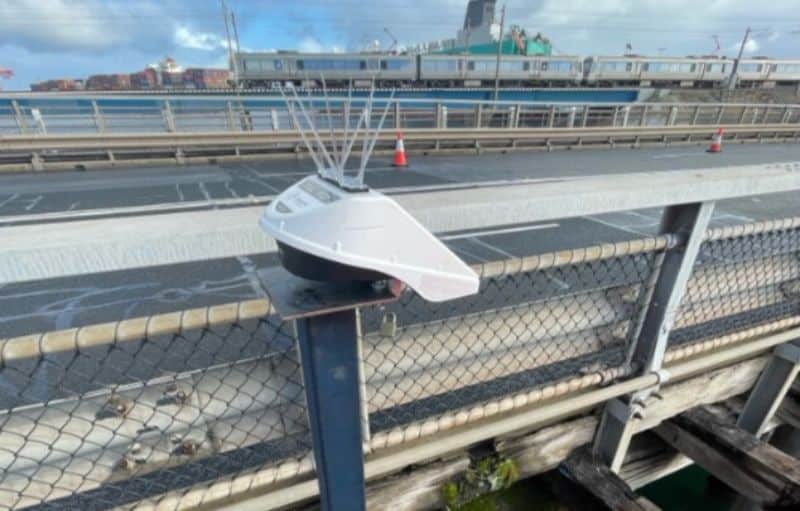
Fremantle Bridge Monitoring, Perth, Australia
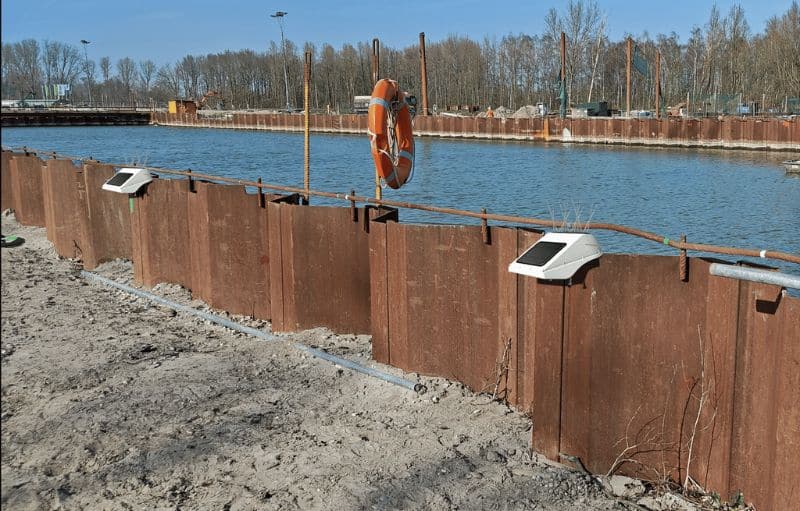
Sheet Pile Monitoring, A16 Rotterdam, NL
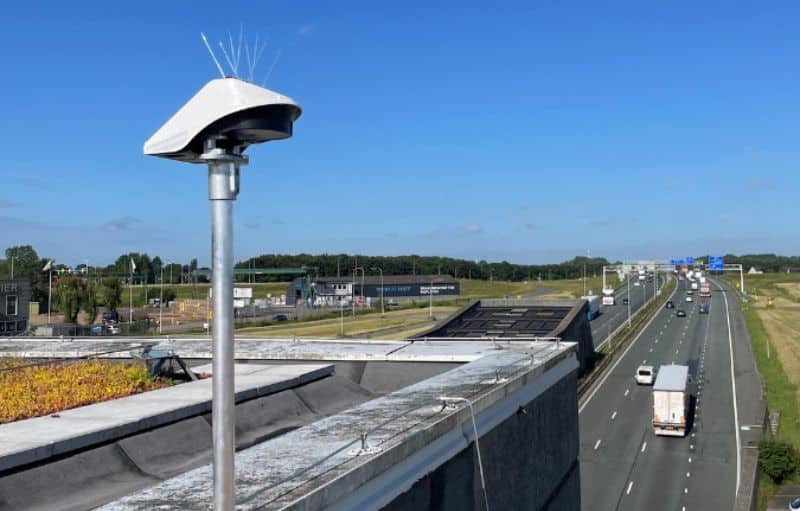
Monitoring of Tunnel Entrances – River Noord, Alblasserdam, Netherlands
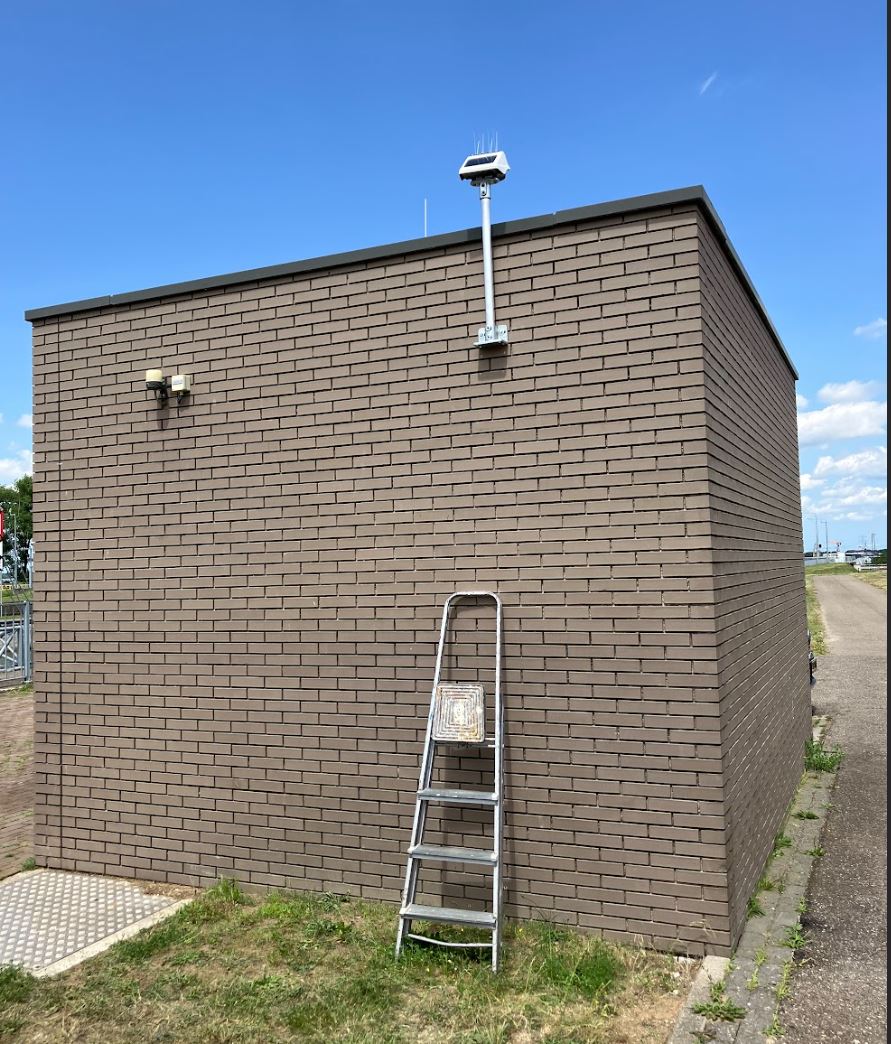
Deformation Monitoring at Maasbracht Lock, the Netherlands
Get in touch
We are ready to hear from you! Leave your details here, and your industry expert will be in touch soon.